
What Is Financial Wellbeing and How Can It Help Build a Holistic Lifestyle?
There is a growing understanding that true wellbeing extends beyond physical health, mindfulness and nutrition. The way we manage our finances also influences how we feel, the choices we make and the opportunities available to us. When money feels secure and manageable, it's often easier to focus on relationships, personal growth and the activities that bring meaning to everyday life. This is why financial wellbeing has become an important part of the wider wellbeing conversation.
For many people, improving their finances isn't about becoming wealthy overnight. Instead, it's about reducing worry, gaining confidence and creating greater flexibility for the future. Whether you're building savings, improving your money management skills or exploring multiple income streams, every positive step can contribute to a healthier, more balanced life. In this guide, we'll explore what financial wellbeing means, why it matters and how it can support a truly holistic lifestyle.

What Is Financial Wellbeing?

Financial wellbeing is the ability to feel confident, secure and in control of your financial situation, both today and in the future. It goes beyond how much money you earn and focuses on whether your finances support the life you want to live. Good financial health means being able to meet everyday expenses, prepare for unexpected costs and work towards long-term goals without constant worry.
It is closely linked to financial wellness, which encourages healthy financial habits, thoughtful planning and greater awareness of how money affects overall quality of life. Developing financial confidence doesn't happen overnight, but small, consistent improvements can make a meaningful difference. As people become more informed about budgeting, saving and planning ahead, they often feel better equipped to make decisions that support their future.
Why Financial Wellbeing Matters More Than Ever
In today's fast-changing world, financial uncertainty has become a common source of concern for many households. Rising living costs, changing employment patterns and unexpected life events have highlighted the importance of building financial security and strengthening financial resilience. Having a stable financial foundation can provide reassurance during challenging times and allow people to make decisions with greater confidence.
Good financial wellbeing also creates opportunities rather than limitations. It can give you the flexibility to invest in your education, spend more time with loved ones or pursue work that aligns with your values. Rather than constantly reacting to financial pressures, you are better placed to plan ahead and gradually move towards financial freedom, where your choices are guided more by purpose than necessity.
How Financial Stress Can Affect Your Overall Wellbeing
Persistent financial stress can influence many aspects of everyday life. Concerns about bills, debt or income often contribute to anxiety, poor sleep and reduced concentration. Over time, ongoing money stress can affect both mental wellbeing and physical health, making it harder to maintain healthy routines or enjoy everyday experiences.
Looking after your finances is therefore an important form of financial self care. When financial worries begin to ease, people often notice improvements in their mood, relationships and overall outlook. Combined with regular exercise, healthy nutrition and effective stress reduction techniques, improving your financial wellbeing can become an essential part of supporting your overall wellbeing rather than treating money and health as two separate areas of life.
The Five Pillars of Financial Wellbeing
Strong financial wellbeing isn't built overnight. It comes from making small, consistent choices that help you feel more secure, confident and prepared for the future. These five pillars provide a simple framework for creating a healthier relationship with money.
Income Stability: Having a reliable income helps you cover everyday living costs and plan for the future with greater confidence.
Savings: Setting money aside, even in small amounts, can help you prepare for unexpected expenses and future goals while reducing financial worry.
Financial Literacy: Understanding the basics of budgeting, saving and managing money allows you to make informed financial decisions and avoid common mistakes.
Financial Planning: Setting clear financial goals and regularly reviewing your progress can help you stay focused and make better long-term decisions.
Financial Confidence: Feeling confident about your finances comes from building healthy habits over time. As your knowledge and financial stability grow, you'll find it easier to make decisions that support both your present needs and future ambitions.
How Financial Wellbeing Supports a Holistic Lifestyle
A truly holistic wellbeing approach recognises that physical, emotional and financial health are closely connected. When you feel more confident about your finances, it becomes easier to focus on self-care, spend quality time with loved ones and make choices that support a healthier and more fulfilling life. Rather than constantly worrying about money, you can invest your energy into experiences that encourage personal growth and long-term happiness.
Improving your finances can also strengthen your work life balance. Greater flexibility may allow you to reduce unnecessary stress, spend more time pursuing hobbies or simply enjoy a slower pace of life. As your confidence grows, you may discover that financial wellbeing isn't just about money—it's about creating a lifestyle that supports your values, wellbeing and future aspirations.
Simple Ways to Improve Your Financial Wellbeing
There are many practical steps you can take to improve your financial wellbeing, regardless of your current circumstances. Creating a monthly budget, reviewing your spending habits and building a regular savings routine are all simple yet effective ways to strengthen your financial future. Developing healthy financial habits today can create lasting benefits and make it easier to achieve your long-term goals.
Many people also choose to increase their knowledge by learning new digital skills or exploring online business ideas that complement their existing career. For some, creating multiple income streams through freelance work, education or a side hustle UK can provide additional flexibility and help support passive income UK over time. The goal isn't simply to earn more money, but to build greater confidence, resilience and choice for the future.
Could an Additional Income Stream Support Your Financial Wellbeing?
For many people, relying on a single source of income can feel limiting, particularly during periods of economic uncertainty. Exploring new opportunities doesn't mean leaving your current career behind. Instead, it can be a practical way to strengthen your finances while developing valuable skills that contribute to greater lifestyle freedom and long-term confidence.
If you're interested in learning more about building an online business, developing marketing skills or creating an additional income stream, educational platforms such as Infinite Earners offer training and resources designed for beginners. Rather than focusing on quick results, the emphasis is on learning sustainable skills that can support long-term financial wellbeing while fitting around your existing commitments.
Small Habits That Lead to Long-Term Financial Wellbeing
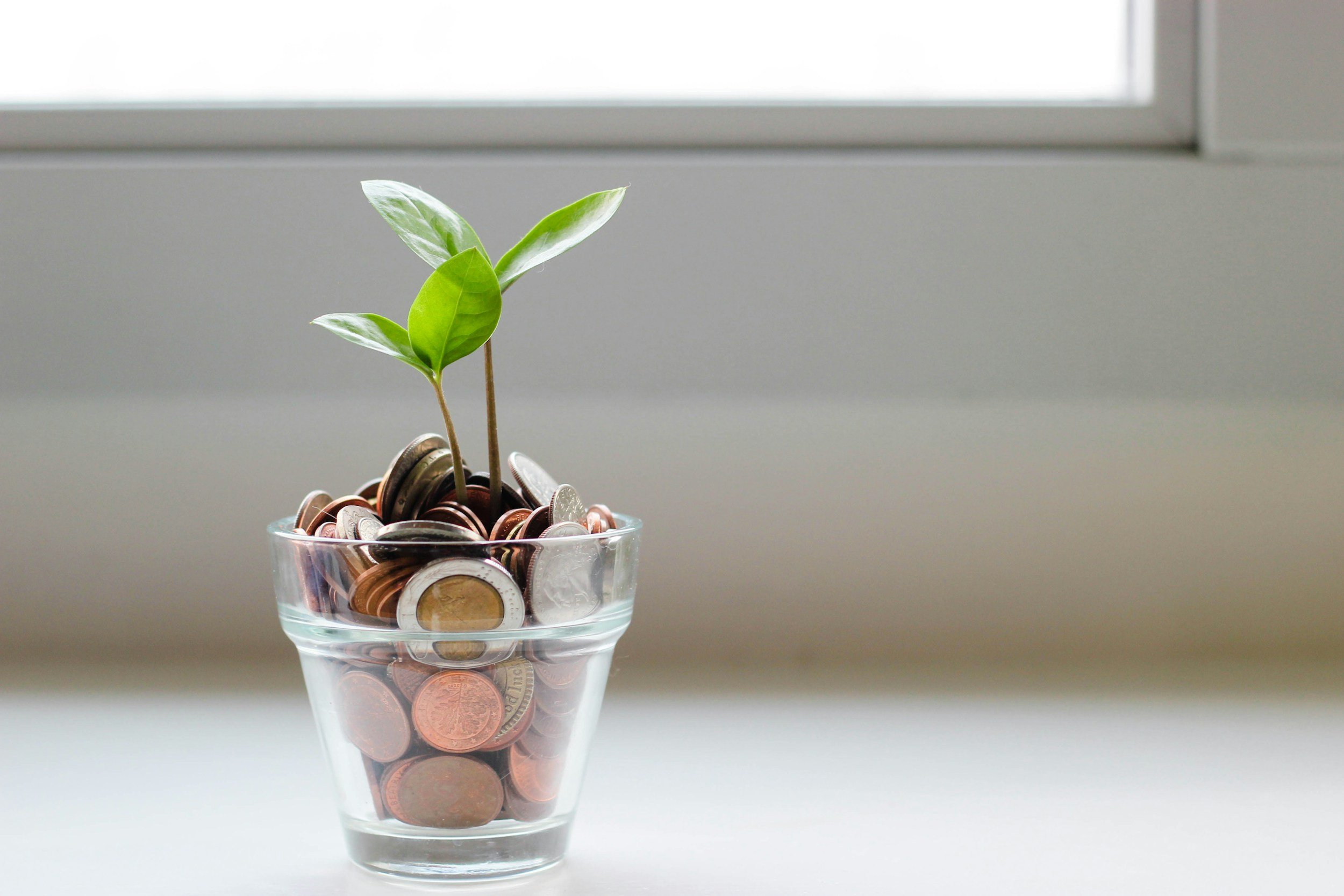
Improving your finances doesn't always require major lifestyle changes. In many cases, it's the small, consistent habits that create the biggest impact over time. Reviewing your monthly spending, setting realistic goals and making informed financial decisions can gradually strengthen your confidence while helping you feel more in control of your future.
The same principle applies to wellbeing. Just as daily movement, nutritious meals and quality sleep contribute to better health, positive financial habits can support greater stability and peace of mind. By making gradual improvements rather than seeking overnight success, you're more likely to build lasting financial wellbeing that supports every area of your life.
Simple habits worth adopting
Set a realistic monthly budget and review it regularly.
Build an emergency savings fund, even if you start small.
Invest time in learning new skills that can improve your future opportunities.
Review your financial goals every few months.
Look for ways to diversify your income gradually.
Focus on long-term progress rather than quick results.
Creating a Lifestyle with More Freedom and Choice
One of the greatest benefits of improving your financial wellbeing is having more freedom to make choices that reflect your priorities. Whether that means spending more time with family, travelling, reducing working hours or investing in your personal development, stronger finances can help create opportunities that weren't previously possible.
For many people, achieving greater flexibility isn't about becoming wealthy. It's about having enough stability to make decisions with confidence rather than out of necessity. As your financial wellbeing grows, you'll often find that your overall quality of life improves alongside it, creating a healthier balance between work, relationships and personal fulfilment.
Continue Learning and Growing
Financial wellbeing is a journey rather than a destination. As the world of work continues to evolve, developing new knowledge and practical skills can help you adapt with confidence. Learning about online business, digital marketing or new income opportunities may become part of a broader personal development journey that supports your long-term goals.
If you're curious about building an additional income stream while expanding your knowledge, resources such as Infinite Earners can provide practical training in affiliate marketing, lead generation and online business fundamentals. Exploring these opportunities doesn't mean changing your career overnight. Instead, it offers a chance to develop valuable skills that may contribute to greater financial confidence and flexibility over time.
What We Recommend
At The Soul Spa, we believe financial wellbeing is built through knowledge, confidence and consistent action rather than quick fixes. Alongside healthy financial habits, learning new skills can open doors to greater flexibility and create opportunities that support both your personal and professional wellbeing.
For readers interested in exploring additional income streams, we recommend Infinite Earners. The platform provides beginner-friendly training in affiliate marketing, lead generation and online business, helping you develop practical digital skills at your own pace. We appreciate its focus on education before implementation, making it a valuable option for anyone looking to strengthen their financial wellbeing while building towards greater lifestyle freedom.
If you're curious to learn more, you can explore the free training and discover whether it's the right fit for your goals. Like any worthwhile opportunity, success comes from applying what you learn consistently, but for those ready to invest in their personal development, it can be a positive first step towards creating a more flexible and resilient future.
FAQs Financial Wellbeing
What is financial wellbeing?
Financial wellbeing is the ability to manage your money confidently, meet your current financial commitments and feel secure about your future while maintaining a healthy balance between finances and everyday life.
Why is financial wellbeing important?
Strong financial wellbeing helps reduce stress, improves confidence and supports better decision-making. It also contributes to overall physical, mental and emotional wellbeing.
How can I improve my financial wellbeing?
Some practical ways include:
Creating a monthly budget.
Building an emergency savings fund.
Improving your financial knowledge.
Reducing unnecessary spending.
Exploring additional income opportunities.
Setting realistic long-term financial goals.
What's the difference between financial wellbeing and financial freedom?
Financial wellbeing focuses on feeling secure, confident and in control of your finances today, while financial freedom generally refers to having enough financial resources to make life choices with greater independence.
Can learning new skills improve financial wellbeing?
Yes. Developing new skills, exploring flexible income opportunities and improving your understanding of personal finance can strengthen your confidence, increase future opportunities and support long-term financial wellbeing.